Aircrew Parachute Harness/Pack – Vulcan & Victor Crew Seats: Military Flight Crew Equipment
Aircrew Parachute Harness/Pack – Vulcan & Victor Crew Seats: Military Flight Crew Equipment
Blog Article
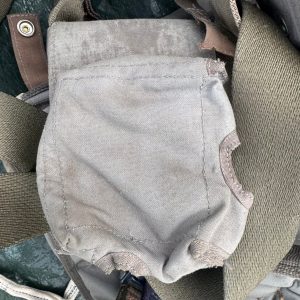
The Aircrew Parachute Harness/Pack – Vulcan & Victor Crew Seats offers collectors, restoration specialists, museums, aviation historians, and qualified equipment professionals a distinctive example of military flight safety equipment.
An Aviation Parachute Harness provides the structural connection between the wearer and a compatible parachute system, while a Pilot Parachute Harness must fit correctly and correspond with the intended equipment configuration.
The Aircraft Emergency Parachute Harness and related Aircrew Safety Harness, Flight Crew Parachute Harness, Emergency Parachute Harness, and Military Aircrew Harness keywords help connect the product with aviation collectors and specialists.
A Parachute Harness Assembly should not be represented as complete when critical straps, fittings, packs, connectors, release components, or identification labels are missing.
The Flight Parachute Harness should remain matched with the correct parachute pack, seat arrangement, attachment hardware, and operating system.
Historic Vulcan and Victor Crew-Seat Equipment
A visually similar military parachute harness may not belong to the same aircraft, seat, or operating configuration.
The listing should explain whether the item includes the harness only, pack only, container, straps, fittings, seat connections, release hardware, padding, labels, or additional components.
Aviation Parachute Harness Construction
Metal hardware can corrode, crack, deform, seize, or develop sharp edges that damage surrounding material.
Original thread can lose strength even when the stitch pattern remains visually intact.
Pilot Harness Strap Configuration
Shoulder, chest, waist, and leg adjustments may influence comfort, movement, load distribution, and secure positioning.
Buckles and adjusters should move without excessive force, binding, corrosion, cracking, deformation, or damage to adjacent webbing.
Evaluating Historic Escape Equipment
An Aircraft Emergency Parachute Harness is intended to connect the wearer securely with a compatible parachute and escape system during emergency procedures.
Unknown alterations should be recorded rather than removed immediately.
Military Aircrew Safety Components
Accurate identification supports museum displays, restorations, archival records, and specialist collections.
Webbing should not be folded sharply under heavy weight or compressed against corroded hardware.
Military Parachute Harness Inspection
The condition of a Flight Crew Parachute Harness should be described using specific observations rather than broad terms such as excellent, serviceable, or ready for use.
Unsupported claims of combat use, specific crew assignment, or aircraft provenance should be avoided.
Parachute Webbing Condition Checks
Every strap should be followed from end to end while checking webbing, stitching, folds, attachment areas, fittings, and labels.
Leather or rubber components may harden, shrink, crack, or become brittle during storage.
Vulcan and Victor Aircrew Equipment
Responsible descriptions should distinguish verified history from seller interpretation.
Museums and display builders may use the harness/pack to complete a crew-seat installation, cockpit exhibit, training display, or aviation-history presentation.
Understanding an Aviation Emergency Escape Harness
A complete-looking harness/pack should not be represented as a complete escape system without supporting information.
Qualified historical or technical review supports accurate Aviation Emergency Escape Harness presentation.
Military Parachute Pack Components
A Parachute Harness Assembly may include load-bearing webbing, leg and shoulder straps, fittings, adjustment hardware, pack or container sections, attachment components, and identification labels.
Small fittings, retainers, straps, pins, covers, or connectors may have significant restoration value.
Choosing Aircraft Crew Safety Equipment
One serviceable-looking component does not establish the condition of the complete crew-safety system.
Aggressive washing, chemical treatment, polishing, repainting, or hardware replacement can reduce originality and damage materials.
Military Flight Emergency Gear
Historical context can be as important as cosmetic condition.
Claims about operational readiness should require current professional evidence.
Pilot Parachute Pack Integration
The offered harness/pack should not be treated as a complete parachute system unless every component is identified and professionally evaluated.
Opening a historic pack can disturb original packing arrangements, seals, labels, or documentation.
Collectible Military Parachute Equipment
Display mounts should support the harness without introducing tension, sharp bends, adhesive more info contact, or metal-to-fabric abrasion.
Controlled access supports preservation of the Aviation Safety Harness.
Choosing a Flight Parachute Harness
An operational buyer requires entirely different inspection, certification, and system-compatibility considerations.
Damage, missing components, mixed assemblies, heavy corrosion, cut straps, contamination, or unsupported provenance may reduce value.
Choosing Aircraft Parachute Equipment
Configuration research helps avoid historically inaccurate or technically unsuitable assemblies.
The seat itself should be reviewed for attachment points, routing, hardware, clearances, and equipment relationships before a harness/pack is installed for display.
Aircrew Harness Pre-Purchase Checklist
A pre-purchase review should confirm manufacturer, part numbers, dates, labels, aircraft or seat association, webbing condition, hardware, pack configuration, repairs, storage history, completeness, and documentation.
- Request photographs of the front, rear, sides, webbing, stitching, buckles, attachment points, pack, labels, and included loose parts.
- Arrange specialist evaluation whenever condition, authenticity, completeness, or intended use remains uncertain.
- Report shipping damage, missing parts, undocumented repairs, label differences, or undisclosed contamination promptly.
Historic Parachute Harness Storage
Conservation-quality storage can slow deterioration and preserve historical evidence.
The item should be inspected periodically for corrosion growth, mildew, pest activity, staining, webbing changes, odor, hardware movement, and storage damage.
Crew-Seat Harness Display Installation
A crew-seat display should support the pack in a way that reduces weight on aged straps, fittings, and adjustment points.
Interpretive material can explain the relationship between the harness, pack, crew seat, aircraft role, and emergency system.
Military Parachute Equipment Preservation
Maintenance of historic aircrew parachute equipment should prioritize preservation, documentation, gentle handling, and prevention of further deterioration.
Documentation should record every intervention, added component, cleaning method, and display modification.
Choosing the Aircrew Parachute Harness/Pack – Vulcan & Victor Crew Seats
When carefully inspected, stored, documented, conserved, and displayed, the Aircrew Parachute Harness/Pack – Vulcan & Victor Crew Seats can remain a valuable military aviation artifact.
The assembly should be judged according to verified identity and complete project suitability rather than aircraft-name recognition, visual completeness, or price alone.
Whether the requirement is an Aviation Parachute Harness, Pilot Parachute Harness, Aircraft Emergency Parachute Harness, or Aircrew Safety Harness, individual condition assessment should guide the purchase.
With accurate identification, preservation-focused care, suitable environmental control, and careful interpretation, the assembly can remain an important military aviation artifact.
Report this page